Insight of Week
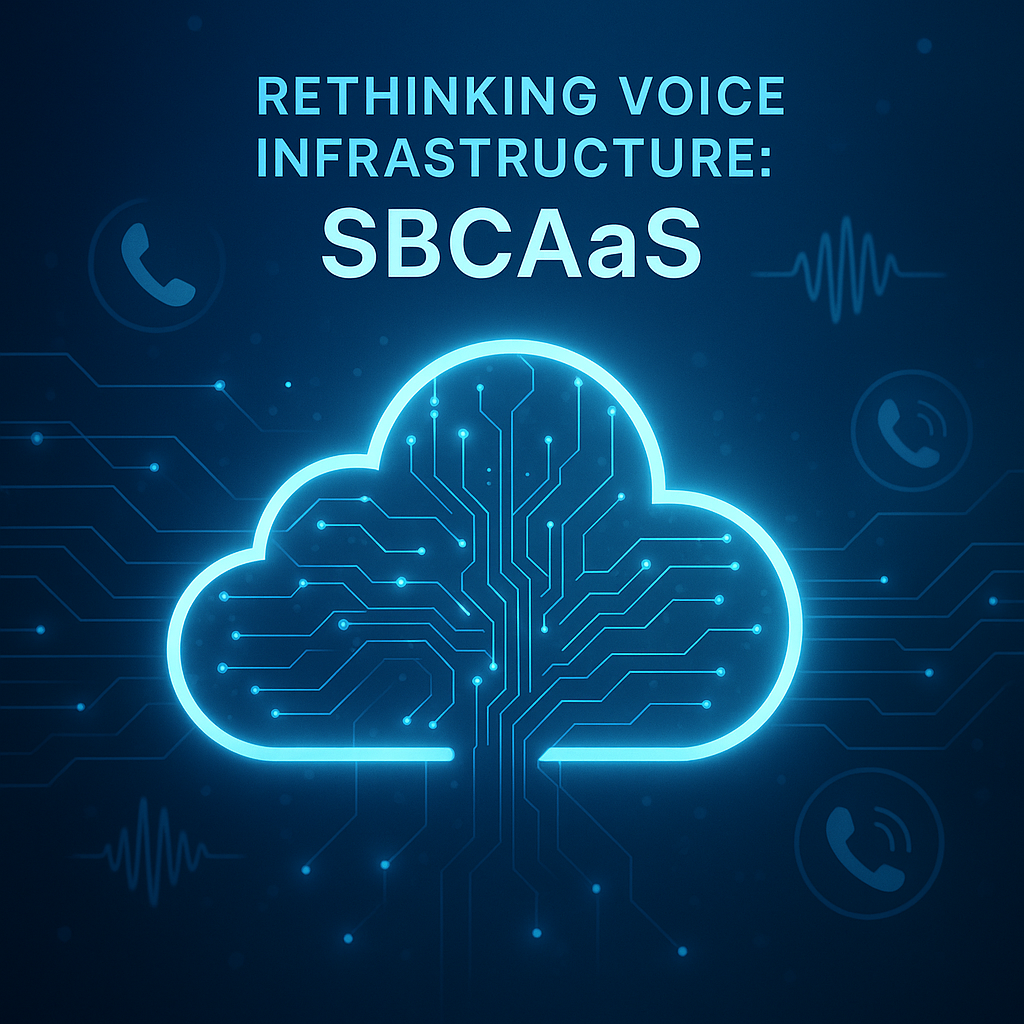
Often times, as organizations are implementing Teams Voice, we are presented with a challenge, Rethinking Voice Infrastructure. As we look at today’s evolving technology landscape, the shift from physical hardware to cloud-native solutions is not just a trend. One of the transitions in voice architecture is the move from physical Session Border Controllers (SBCs) to cloud-native SBC as a Service (SBCaaS). Recently, I had an insightful conversation with Chris Watson about this very transition, focusing on leveraging SBCaaS. Here, I share some key takeaways from our discussion.
The Strategic Shift to Cloud-Native Voice Solutions
The transition to cloud-native voice solutions is driven by the need for greater flexibility, scalability, and cost-efficiency. Physical SBCs, while reliable, come with limitations such as hardware maintenance, scalability issues, and higher operational costs. SBCaaS is a more agile and scalable solution that can adapt to the dynamic needs of businesses.
SBCaaS, in particular, provides a robust platform for managing voice traffic, ensuring security, and maintaining high-quality communication.
What is an SBC Infrastructure?

Lessons Learned from Porting Numbers and Managing Carrier Limitations
One of the critical aspects of transitioning to SBCaaS is the process of porting numbers. This can be a complex task, especially when dealing with multiple carriers and ensuring minimal disruption to ongoing communication. Here are some lessons learned from our experience:
- Plan Thoroughly: Before initiating the porting process, it’s essential to have a detailed plan in place. This includes understanding the requirements of each carrier, preparing the necessary documentation, and setting clear timelines.
- Test Extensively: Conducting thorough testing is crucial to identify and address any potential issues before they impact end-users. This includes testing the integration with existing systems, ensuring compatibility with various carriers, and validating the overall performance.
- Communicate Clearly: Clear communication with all stakeholders, including carriers, IT teams, and end-users, is vital to ensure a smooth transition. This helps in setting the right expectations and addressing any concerns promptly.
Supporting Scalability and Operational Efficiency
The move to SBCaaS and cloud-native solutions significantly enhances scalability and operational efficiency. Here are some ways in which this transition supports these goals:
- On-Demand Scalability: With SBCaaS, businesses can scale their voice infrastructure on-demand, without the need for additional hardware. This is particularly beneficial for organizations with fluctuating communication needs.
- Reduced Operational Costs: By eliminating the need for physical hardware and associated maintenance, SBCaaS helps in reducing operational costs. Additionally, the pay-as-you-go model ensures that businesses only pay for what they use.
- Enhanced Flexibility: Cloud-native solutions offer greater flexibility in terms of integration with other cloud services, remote management, and customization. This enables businesses to tailor their voice infrastructure to meet specific requirements.
- Improved Reliability: With robust security measures and high availability, SBCaaS ensures reliable and secure communication. This is critical for maintaining business continuity and delivering a seamless user experience.
The transition from physical SBCs to SBCaaS represents a strategic shift towards more agile, scalable, and cost-efficient voice solutions. By embracing cloud-native technologies, businesses can enhance their operational efficiency, reduce costs, and stay ahead in the competitive landscape. As we continue to navigate this transition, the lessons learned and best practices shared here can serve as a valuable guide for others embarking on a similar journey.






Leave a Reply